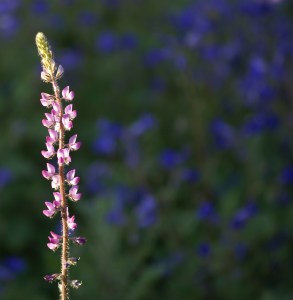
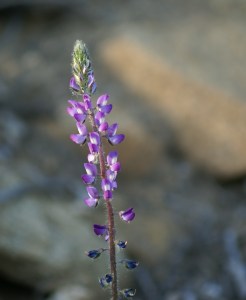
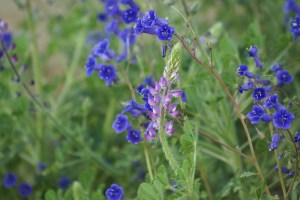
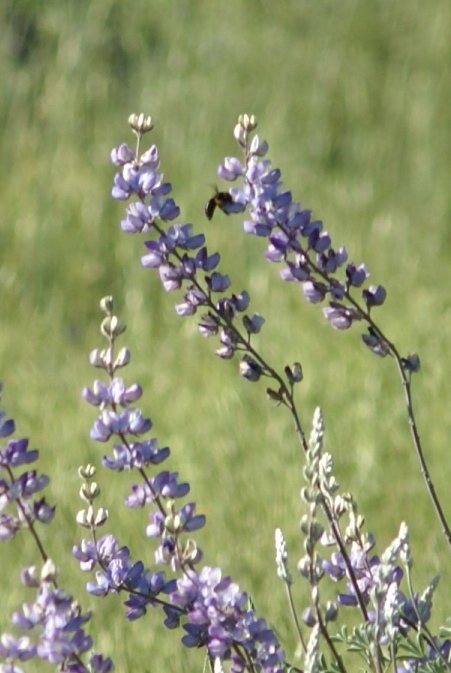
Caterpillar Hosts: Lupinus, and other species in the pea family.
Wing Span: 7/8 – 1 1/4 inches (2.2 – 3.2 cm).
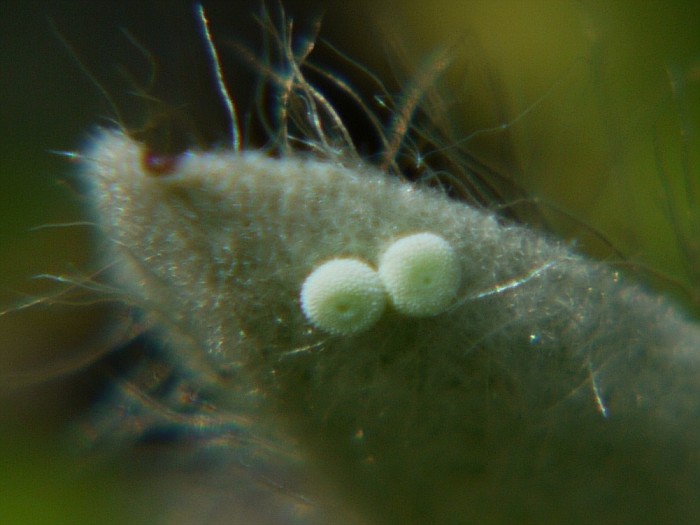
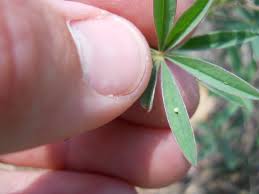
Life History: Males patrol near the host plants for females. Eggs are laid singly on flower buds and young leaves of the host plants. Caterpillars feed on flowers, seedpods, and young leaves and are tended by ants. Chrysalids hibernate.
Flight: One flight from March-June at low elevations, June-August at high elevations.
Conservation: Subspecies palosverdesensis is thought to be extinct. Its historic range and its hostplant Astragalus leucopsis in the Palos Verdes Hills in Los Angeles County, California is largely extirpated, but an additional population was discovered in nearby San Pedro. This subspecies has The Nature Conservancy rank of T1 – Critically imperiled globally because of extreme rarity (5 or fewer occurrences, or very few remaining individuals), or because of some factor of its biology making it especially vulnerable to extinction. (Critically endangered throughout its range). Subspecies xerces is TX – Presumed extinct. Subspecies pseudoxerces is rank T2.
Adult Food: Nectar from flowers including Asteraceae.
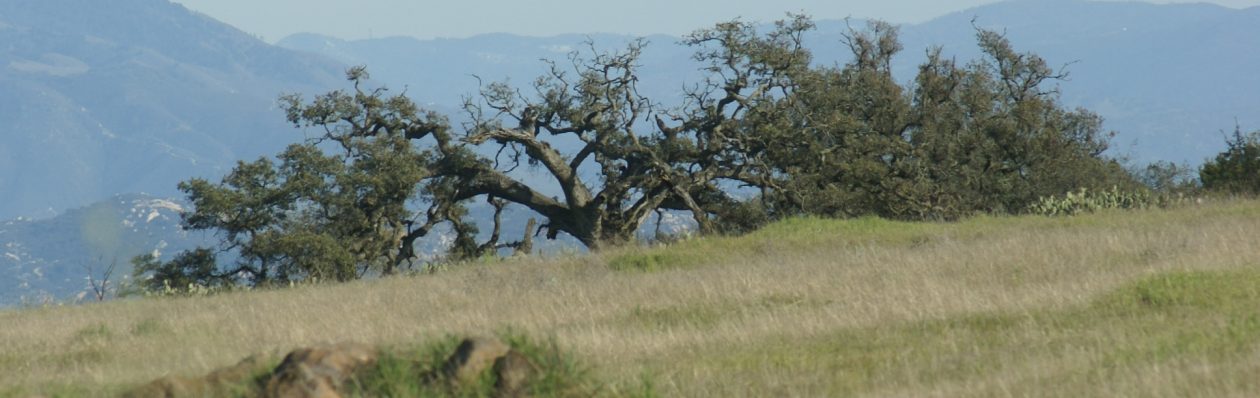
Habitat: A variety of locations including open woods, coastal dunes, prairies, meadows, road edges, rocky moist woods, and brushy fields.
Range: Central Alaska south to southern California, Baja California, Arizona, New Mexico, and western Kansas. Along northern United States east to Nova Scotia and south to Georgia.
Management Needs: Conserve all remaining habitat for the Palos Verdes Blue. Investigate status and conservation needs of subspecies pseudoxerces.
An indicator species is an organism whose presence, absence or abundance reflects a specific environmental condition. Indicator species can signal a change in the biological condition of a particular ecosystem, and thus may be used as a proxy to diagnose the health of an ecosystem. Continue reading →




 Gems Of The Valley