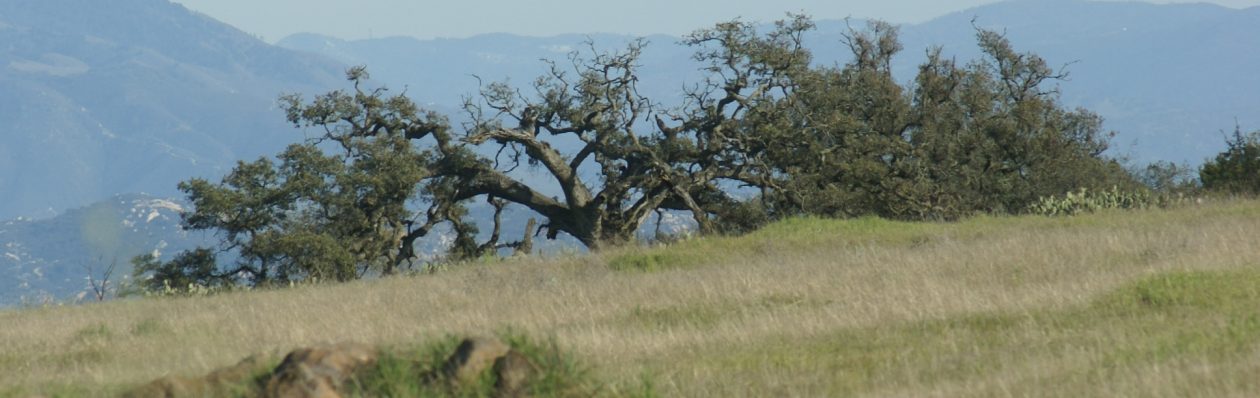
 In the Beginning , during the first of generations at the original villages, there existed a Great and Powerful man. Being Cheif of his people, he lead them on a migration, giving names to significant places while establishing villages along the way. The first placed they stopped he gave it the name Temeku, meaning ‘where the sun shines through the mist’. He then proceeded on with his journey around the base of Palomar Mountain .While returning to Temecula, he came upon an angry man who was jelous of him. The man drew his bow and shot the Great Chief. Sickened by the injury and near death, Nahachish tried to make it to the spring . His people became worried when he did not return. They headed out in search of him only to find him near his death at the top of the canyon[ between Rainbow and Pechanga ( old highway 395)], Nahachish asked his people to cut open his belly to release his spirit. They cut him open and saw a flash of light leave his body and fly off to Takwish Rock in the San Jacinto Mountains. When they did this, Nahachish turned to stone. The rock is still there today and you can see the cavity where they cut out his stomach. The Rock sits in a position so it looks through the gap and through the hills to the San Jacinto Mountains. Sometime in the 1930’s somebody painted a face on the rock.
Below is an account of his journey ( source – DeBois 1908)and the places he gave a name along the way.
He first stopped at a place know as Pear Tree Springs and gave it the name Pauba.
From there he went to Picha Awanga and then he went up to the mountain at George Cooks Place and came upon an empty village. He named it Chakuli.
Then he traveled to the village of Poyarak and called it Sukishva meaning ‘nettle’
 .[ Sparkmans published place names does not mention Shikishva, but does list a Shakishmai ; place of the old Maxcy Ranch.]
Along the way he stopped to wash his hands at a large flat rock where legend has it that you can still see where he knelt down on the soft rock. There are also said to be the tracks of a deer there too. He called this place Kaiyawahuna / also known as Kayawahana.
From there he continued towards La Jolla and came upon a place he and called it Huyama (or Huyamai). Another place near La Jolla he named Namilia. Near there he came upon a ravine (between the Mission House and La Jolla Schoolhouse) he noticed that was extrodinarily chilly and named that place Sovoyama.
He heard a whistling sound nearby and named that place Pumai, which Sparkman identified as a hill on Potereo Ranch. From this location he saw peoples feasting when his stomach was empty. He named this place Yapichi where a government schoolhouse was built .(DuBois)
Next he came to a valley on Potereo Ranch ( part of the old Cuca Rancho) and named it Tumka.
In the canyon, he drank water and called it Pala, water and Pame, little water. Pame refers to Pamai, a place in the San Luis Rey canyon above Rincon.
Moving down the canyon he arrived at Rincon. It was muddy there and called it Yohama.’ { Yohama refers to Yuhwamai, a place near Rincon
 Gems Of The Valley